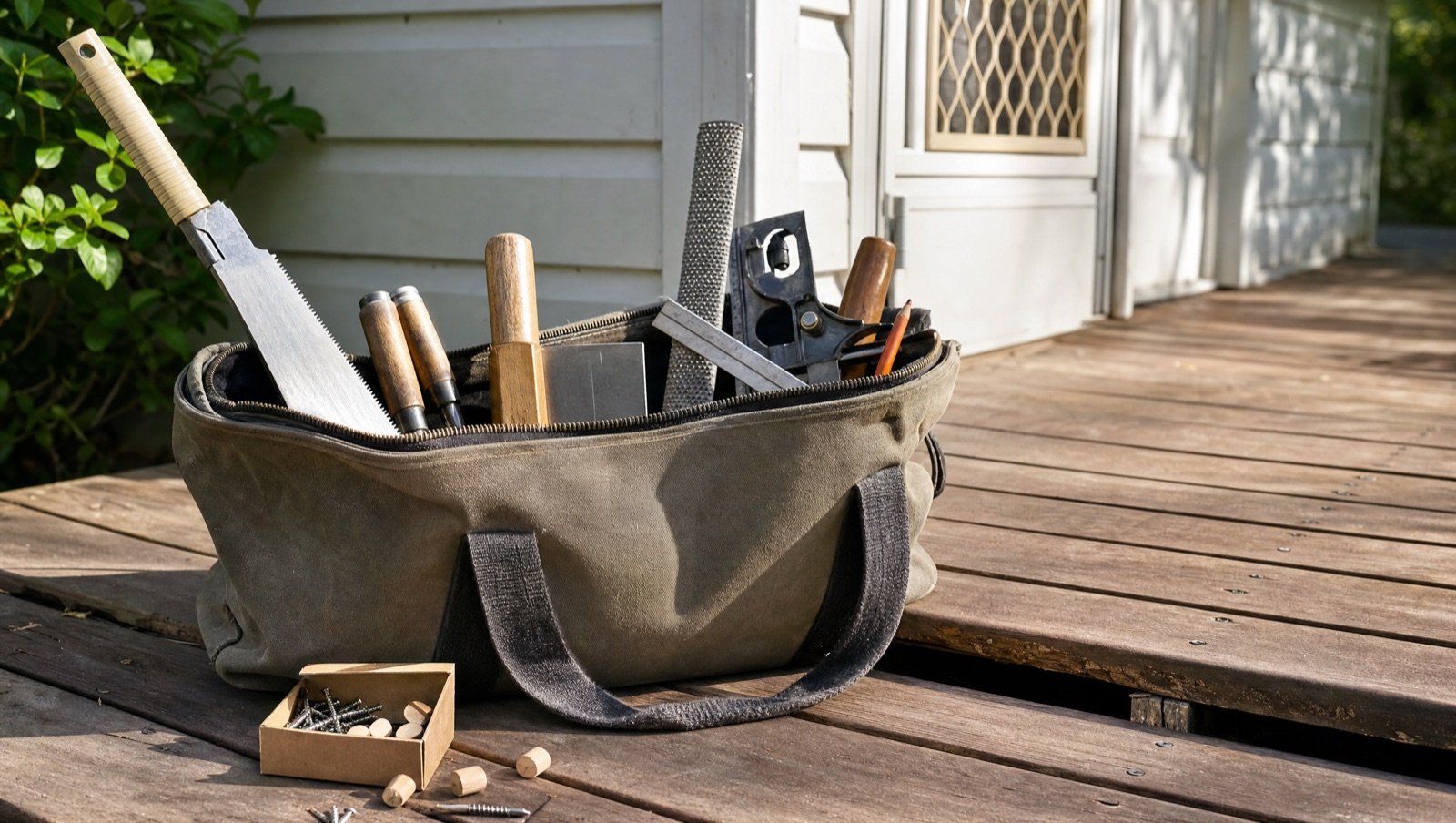
This is a buying guide, not an independent magazine. Complete Property Maintenance (ABN 19 804 027 208), trading as Fettle, sells the priced tools in the catalogue. The brand and maker are named on every card, prices are in pounds sterling, and UK delivery is a flat £4.99 per order, shown before you place it.
1. Start with layout, not the loudest saw
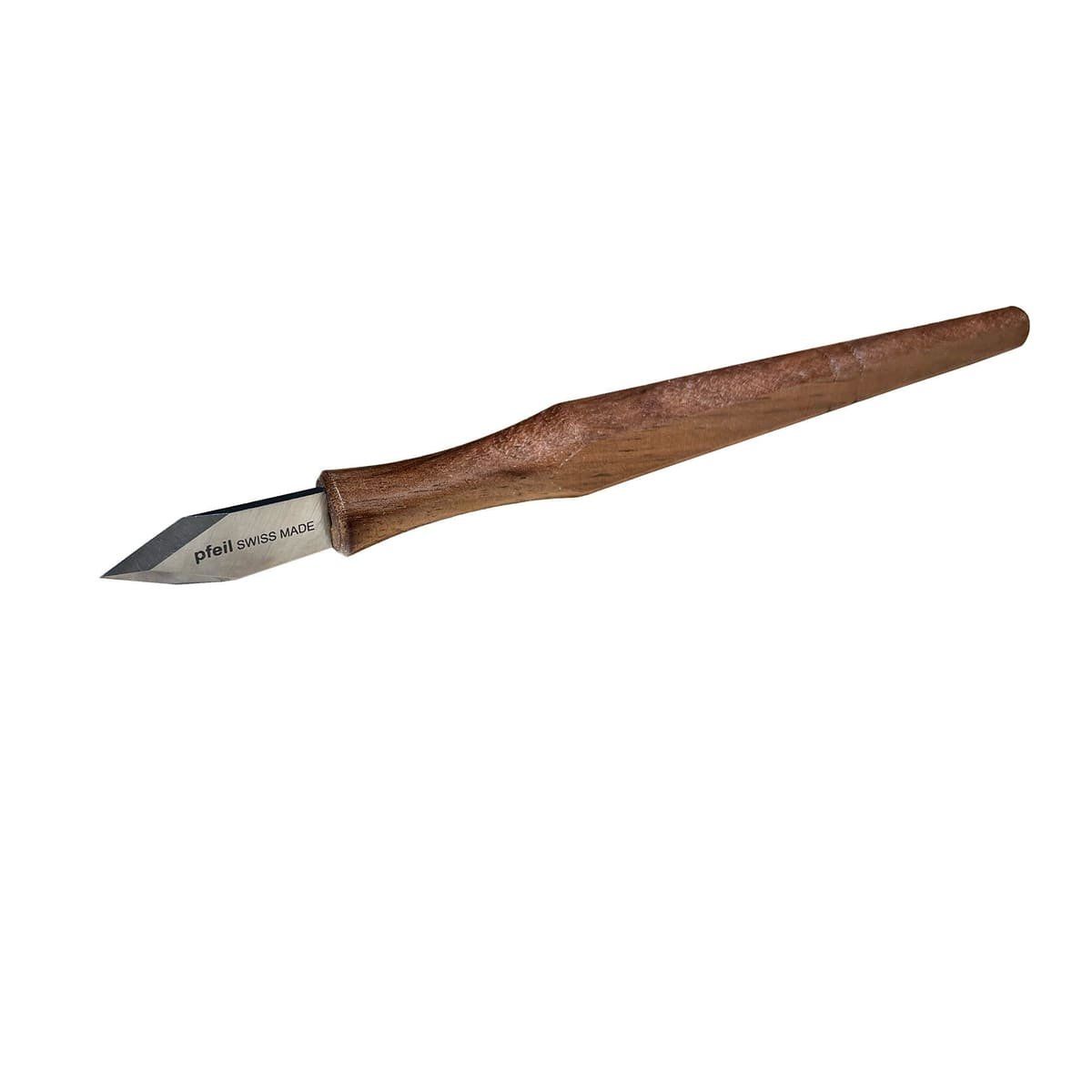
If the mark is wrong, every cut after it follows the mistake. A pocket tape, a small carpenter's square and a dry marker cover nearly every door, skirting and deck board. A sliding bevel helps when an older house is out of square — common in Victorian and Edwardian terraces. A contour gauge copies a scotia or a tile edge so you aren't guessing against the wall.
2. Cut only as much as the job needs
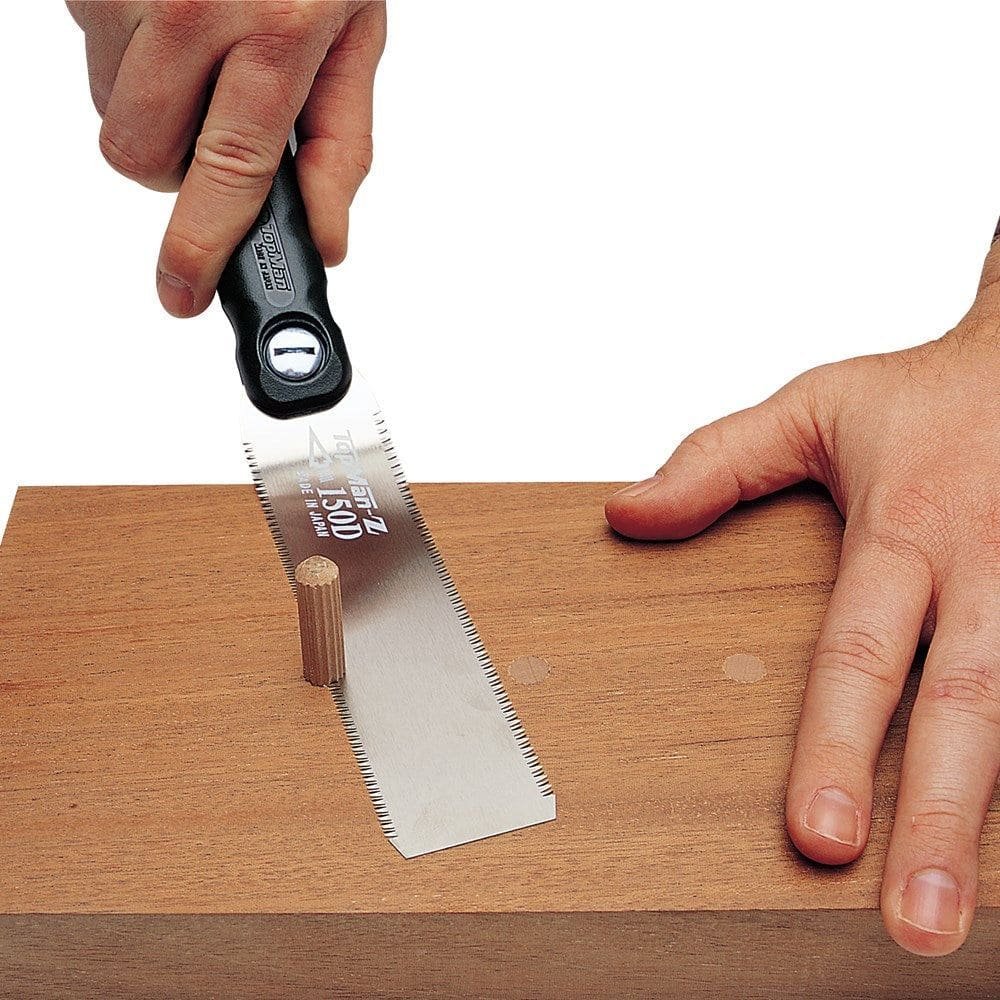
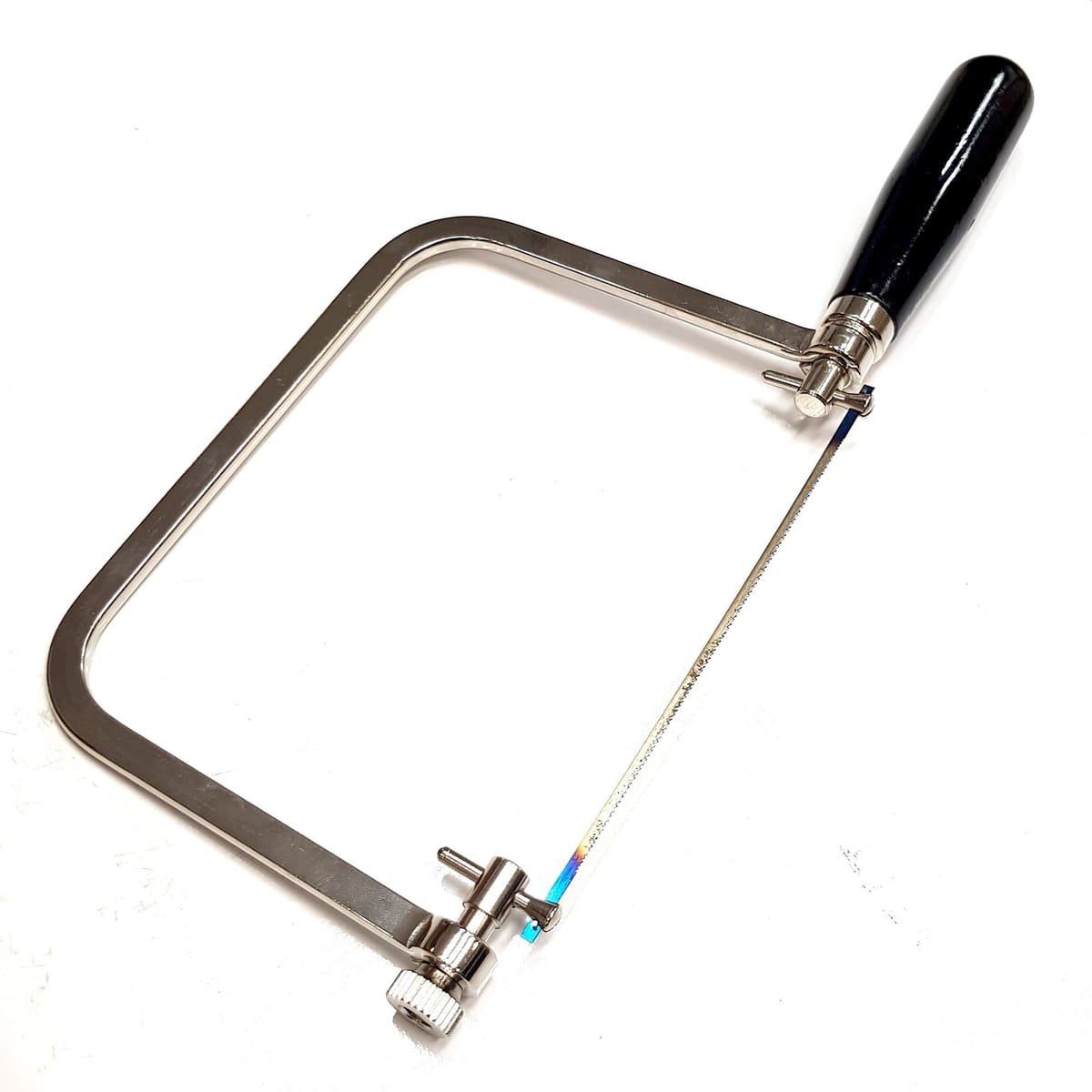
Flush-cut saws trim a plug or a proud dowel without chewing up the face around it. A coping saw is slower but still earns its place on a scribed skirting. Japanese pull saws stay in the kit because they're light and they'll start a cut in a tight hallway where a circular saw is a nuisance. None of this replaces a licensed carpenter for structural work — these tools are for the jobs a homeowner or a small contractor already plans to do.
3. Hinges, latches and square corners
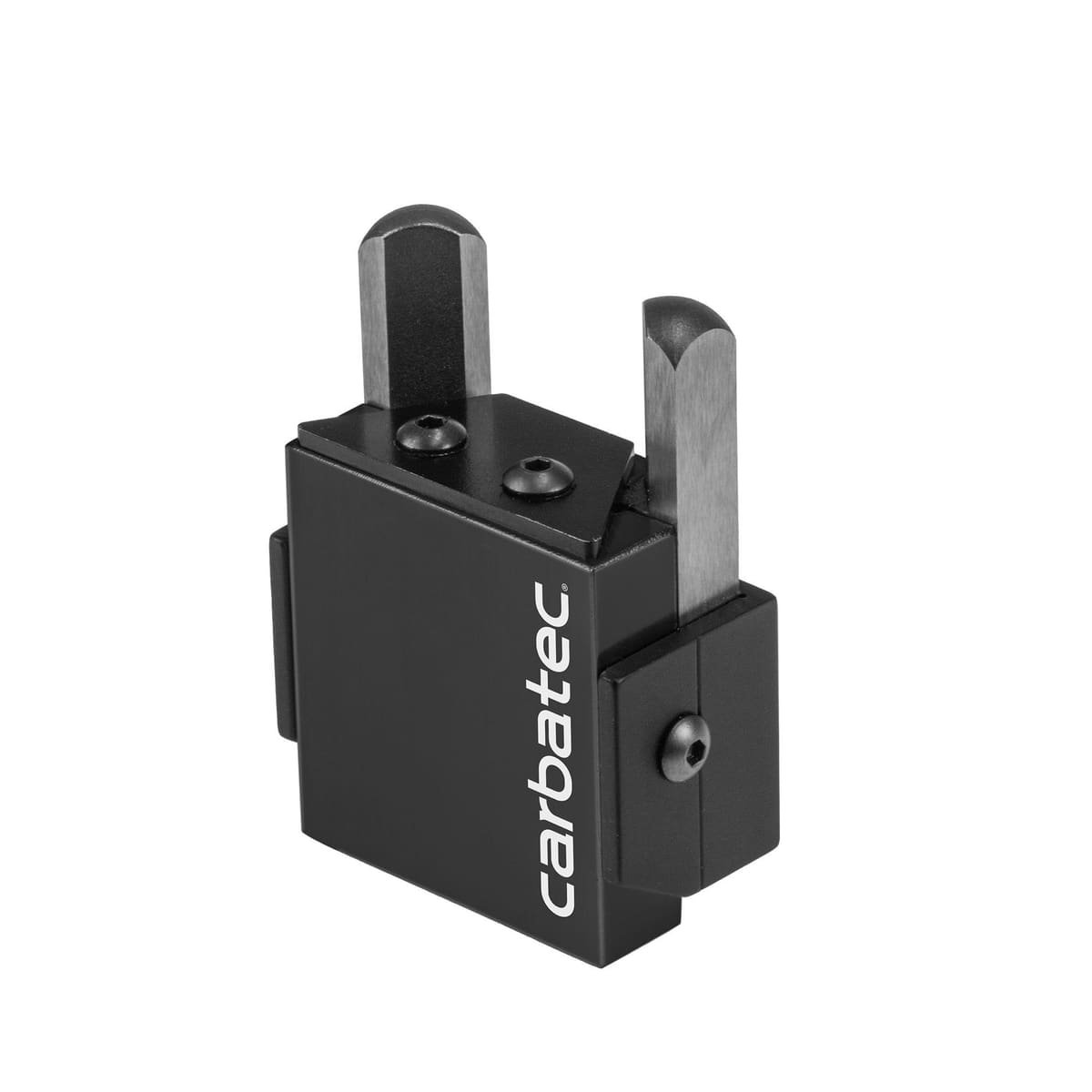
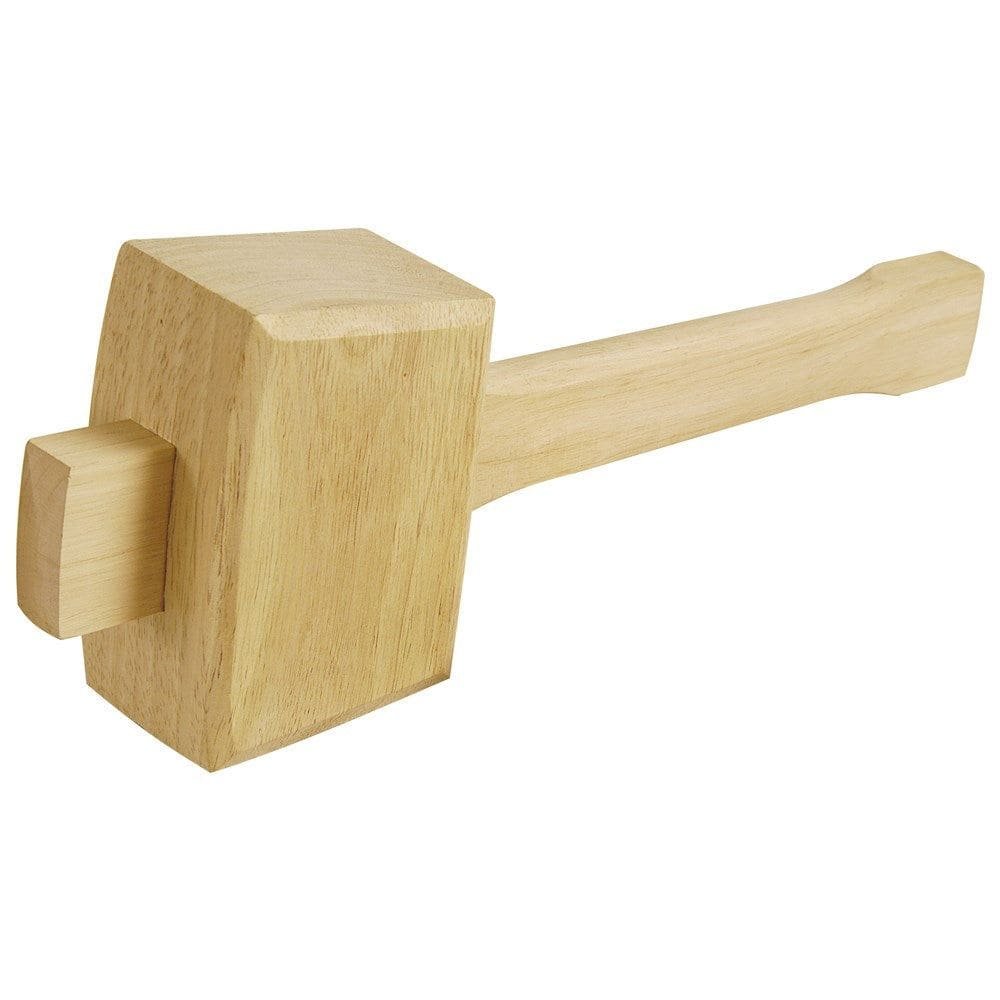
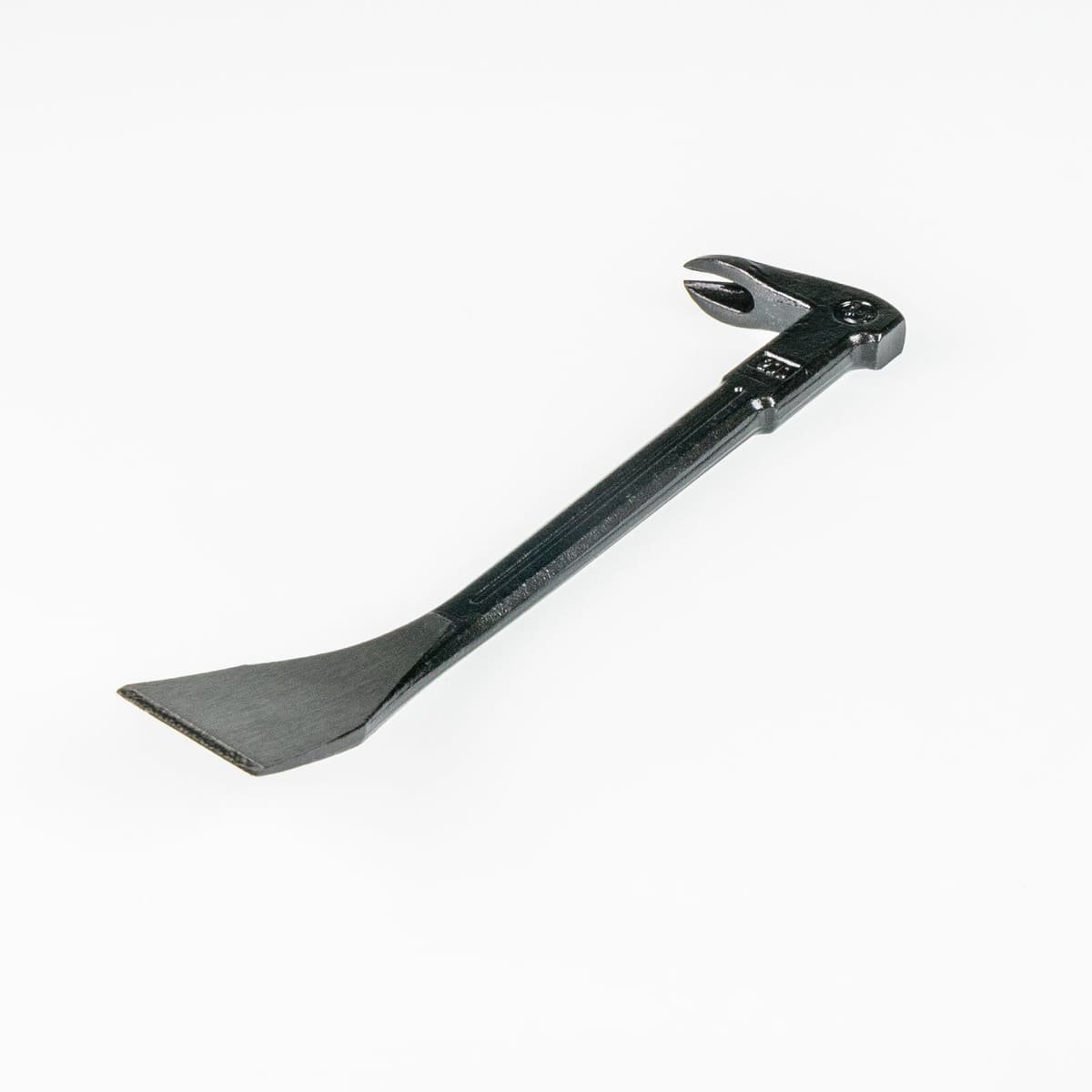
A routed hinge recess often leaves a radius. A spring corner chisel squares that pocket so the leaf sits flat, and a wooden mallet drives the chisel without mushrooming the handle. A nail puller (cat's paw) lifts a rusty nail without splitting the board if you work in from the side rather than straight up.
4. The finish is what people see
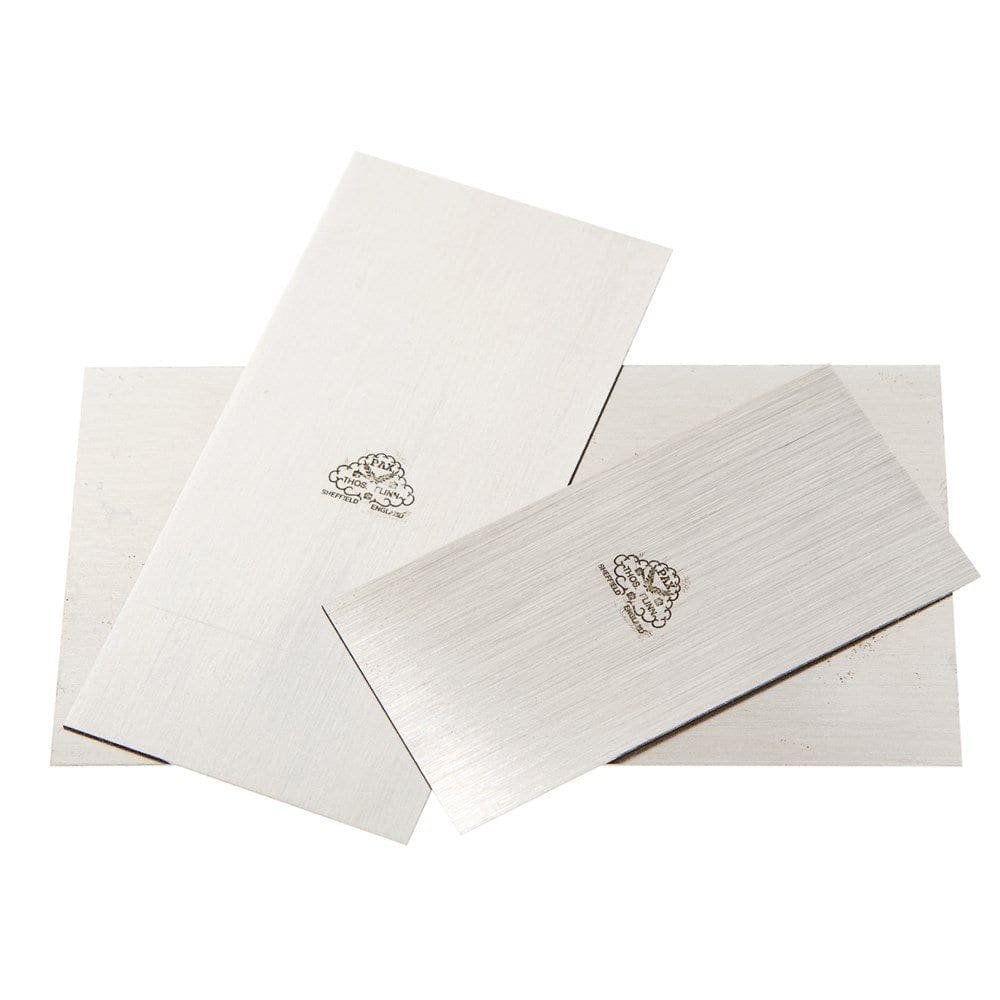
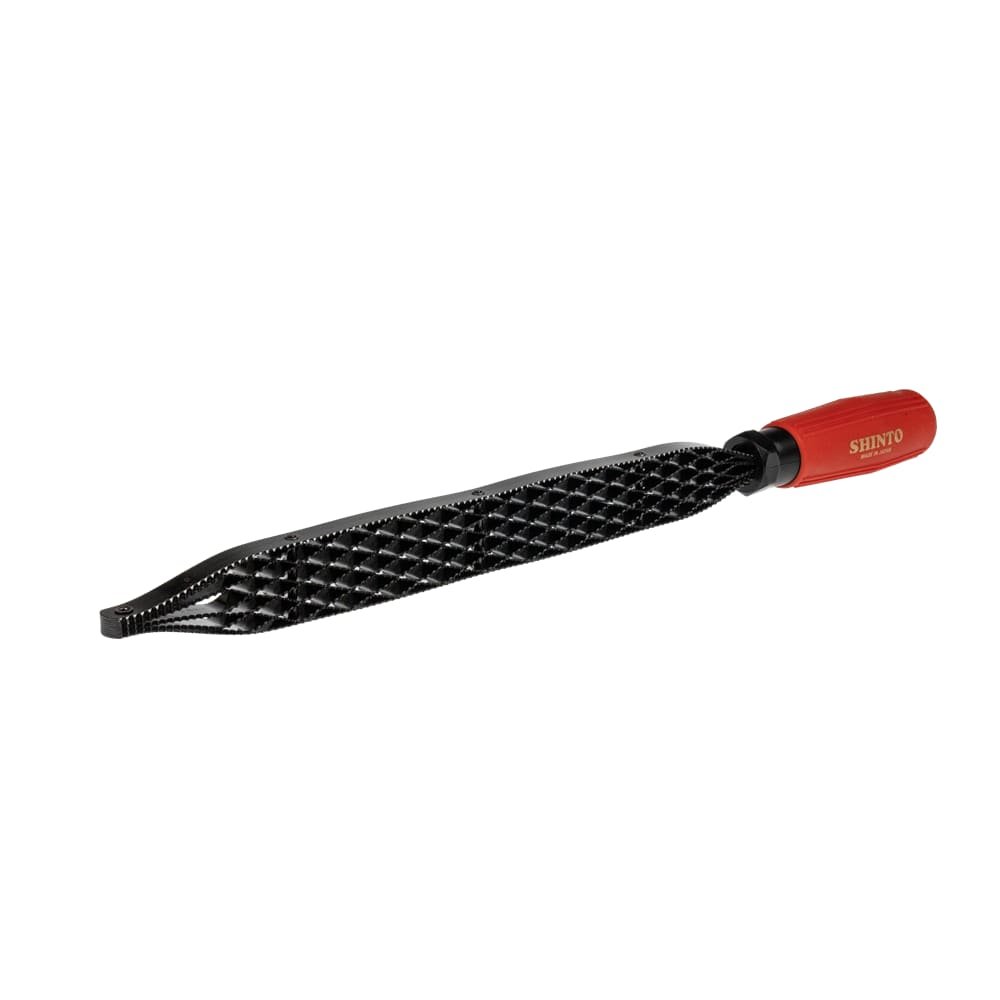
Cabinet scrapers take off a paint ridge or a glue smear without the swirls of cheap sandpaper. Files and rasps ease a sticking door. And a block plane is worth packing when a new latch stops the door from closing — a few shavings off the strike edge often finishes the job.